
words, images, practices
This site features some of my preoccupations and their evolution across a number of decades. Developed, rethought and revised through teaching, conversations and collaborations, and through the building of communities and institutions along with colleagues and friends, this work is motivated by my feminist commitments to social justice and my belief in the power of comparative and connective thinking and action.
The work included here is based on practices of close reading, looking and listening that shape transformative aesthetic encounters. But it also draws on moments in my personal history and on their power to illuminate questions that have obsessed me. Writing and teaching about and against the family from a feminist perspective, reading family stories and images against the grain, brought me to memory. Thinking about the transmission of memory across generations—a process I have discussed as postmemory— shaped my thinking about trauma and the need to contest the inevitability of its repetition and reactivation. This is the source of my current work on repair and the future.
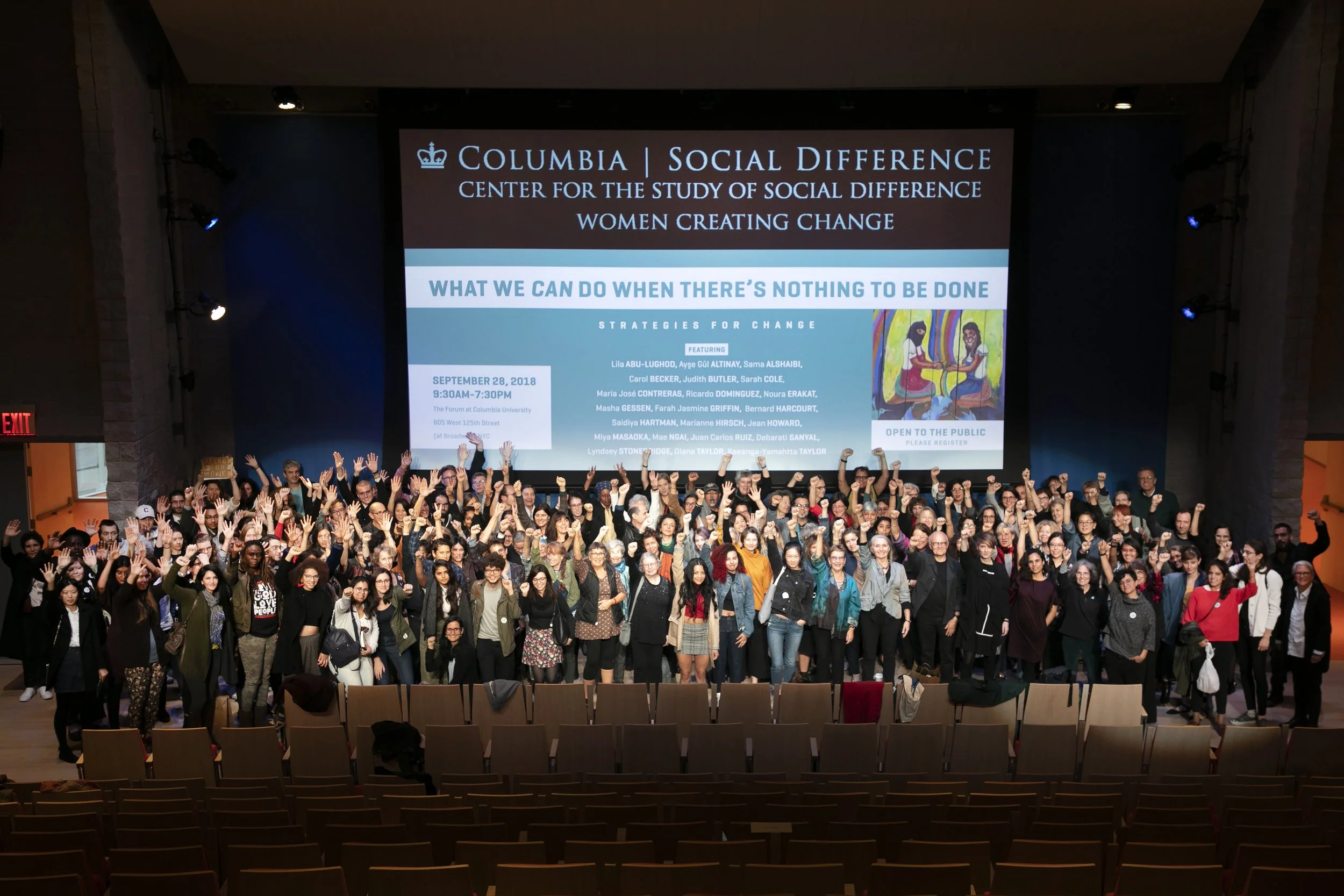
Center for the Study of Social Difference
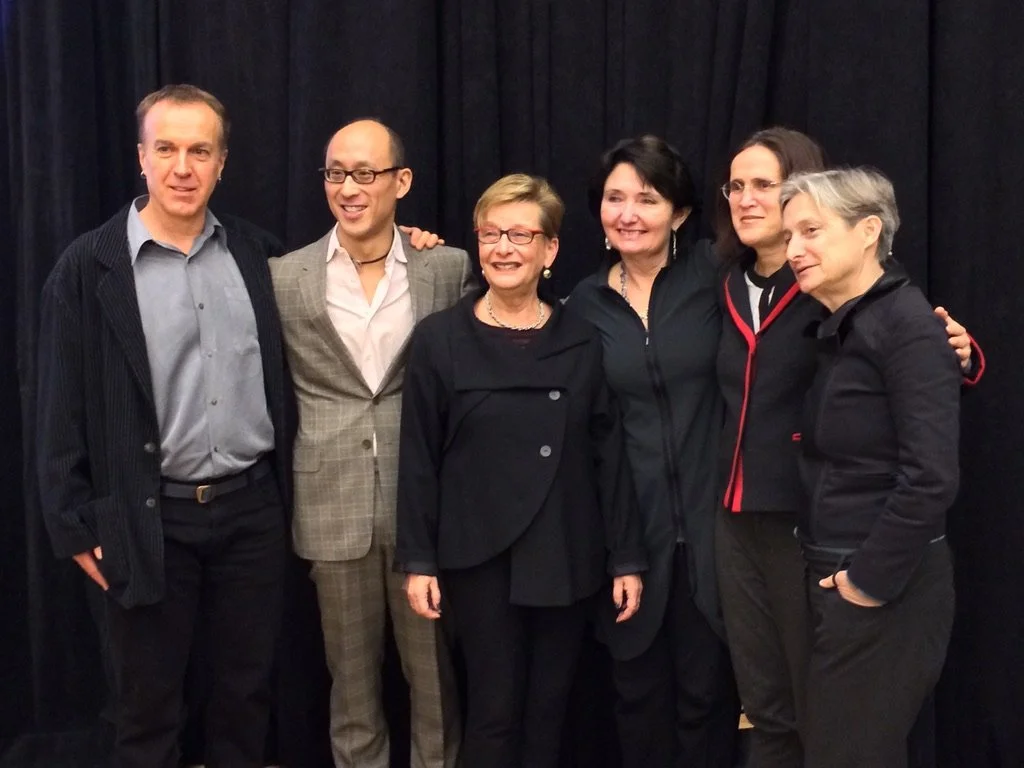
Vulnerable Times, MLA Presidential Forum, 2014.
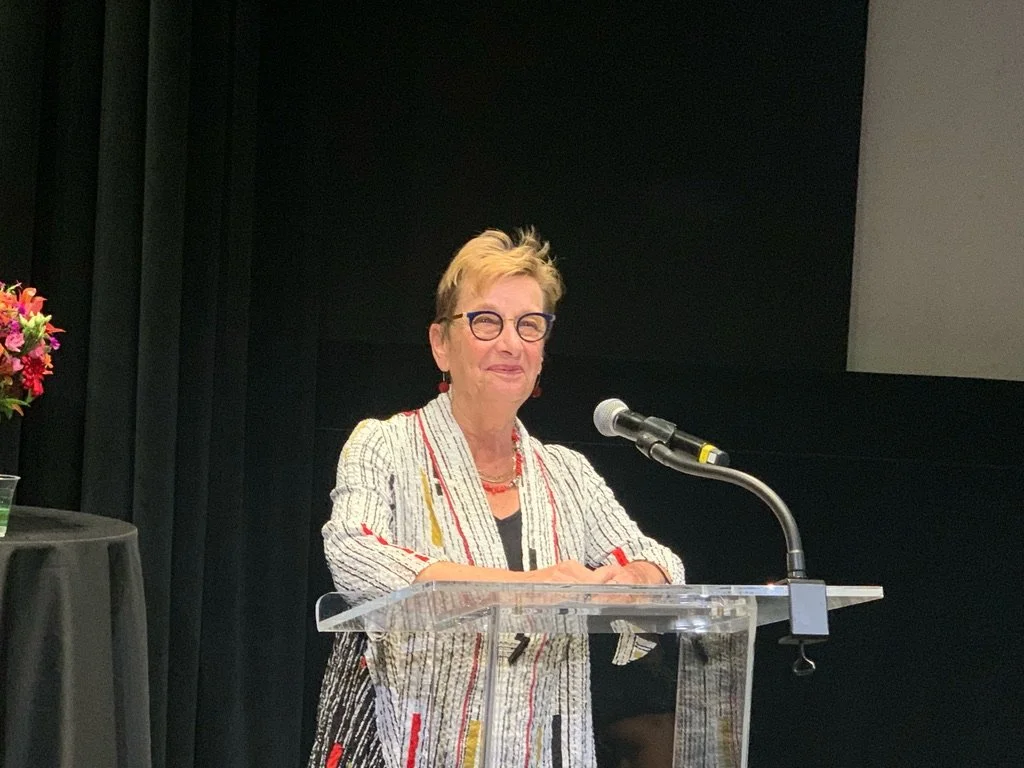
I’ve been involved, but it would not be complete without an account of my teaching, at Dartmouth College for 30 years and Columbia University for nearly 20. In both my teaching and writing, my fields have multiplied and evolved. I’ve taught French language and literature; Comparative literature; literary, feminist and psychoanalytic theory; memory studies; fiction, autobiography, performance, and oral history; photography and visual culture; the Holocaust and other catastrophic histories. My teaching both inspired and was inspired by the conversations I’ve participated in by organizing exhibitions, conferences, roundtables, conference sessions, and multi-year collaborative projects that have brought together scholars, artists and activists both locally and across the globe.
I learned early on that institutional structures can be created, rethought and transformed so as to provide spaces where we can think, act and disagree productively. Among the institutions I’ve worked to build in collaboration with colleagues and friends, are Dartmouth’s Women and Gender Studies Program and its the Comparative Literature Master’s Program; Columbia’s Institute for the Study of Sexuality and Gender and its Center for the Study of Social Difference. I’ve been quite involved in the Modern Language Association of America as 2013 president and the editor of its journal PMLA.
I currently co-direct Columbia’s University Seminar on Cultural Memory. I am a co-founder and steering committee member of the Genocide and Holocaust Studies Crisis Network. I am also on the steering committee of Columbia’s Society of Senior Scholars and on the advisory board of the Memory Studies Association.
As an immigrant child of Holocaust survivors and refugees, I was fortunate to find a home in US academia at a time when change felt – and indeed was -- possible. At this time of institutional retrenchment and capitulation to fascist forces, it is important to recall the energy behind struggles to rethink academic fields, create new departments, programs and centers, and transform scholarly associations. These collective hopes and struggles have inflected these words, images and practices.