postmemory
“I first used the term “postmemory” in an article on Art Spiegelman’s Maus in the early 1990s. Since then I’ve been trying to define and refine it, on the basis of personal experience and my reading and viewing of the work of writers and artists of the postgenerations. A number of my essays over the last two decades, several co-edited volumes, as well as the three books featured here, have been devoted to this project. Much of this work has been done in collaboration with Leo Spitzer.
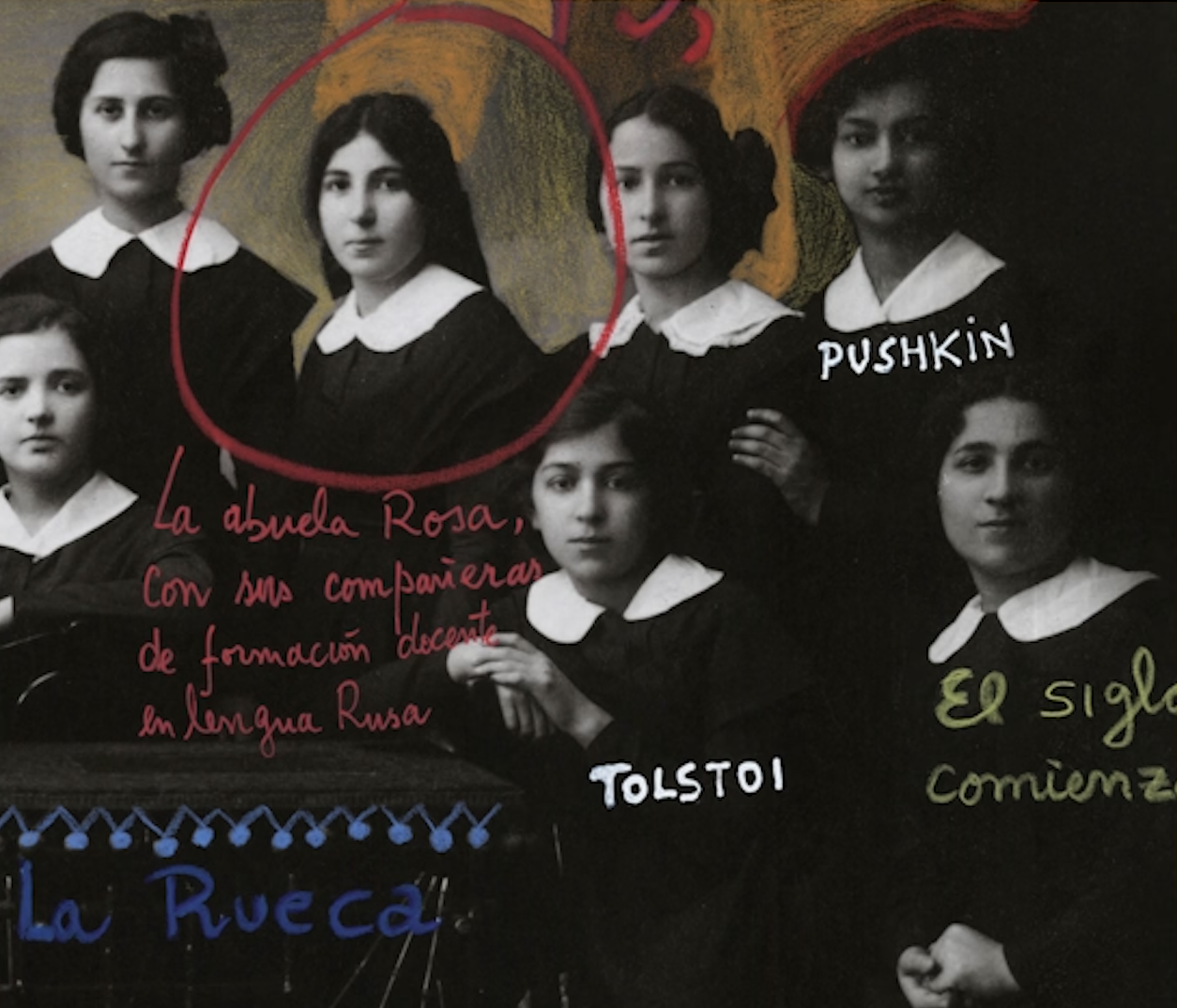
“Postmemory” describes the relationship that the “generation after” bears to the personal, collective, and cultural trauma of those who came before-to experiences they “remember” only by means of the stories, images, and behaviors among which they grew up. But these experiences were transmitted to them so deeply and affectively as to seem to constitute memories in their own right. Postmemory´s connection to the past is thus actually mediated not by recall but by imaginative investment, projection, and creation. To grow up with overwhelming inherited memories, to be dominated by narratives that preceded one’s birth or one’s consciousness, is to risk having one’s own life stories displaced, even evacuated, by our ancestors. It is to be shaped, however indirectly, by traumatic fragments of events that still defy narrative reconstruction and exceed comprehension. These events happened in the past, but their effects continue into the present.”
Featured initiatives
-
![]()
2020
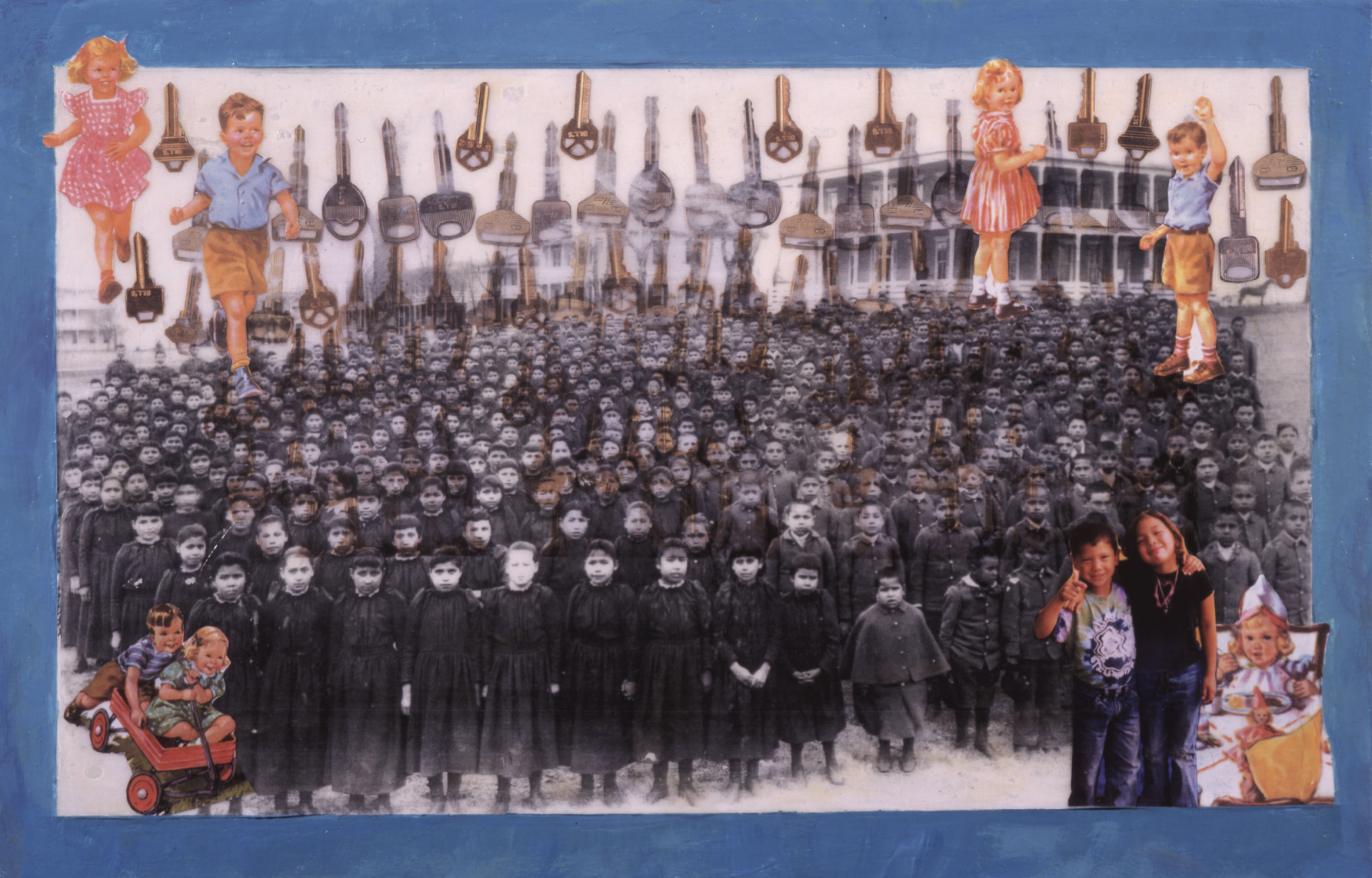
SCHOOL PHOTOS AND THEIR AFTERLIVES
EXHIBITION - JANUARY 8 > APRIL 12
Image: Steven Deo, When We Become Our Role Models #2, 2004
-
![]()
2012
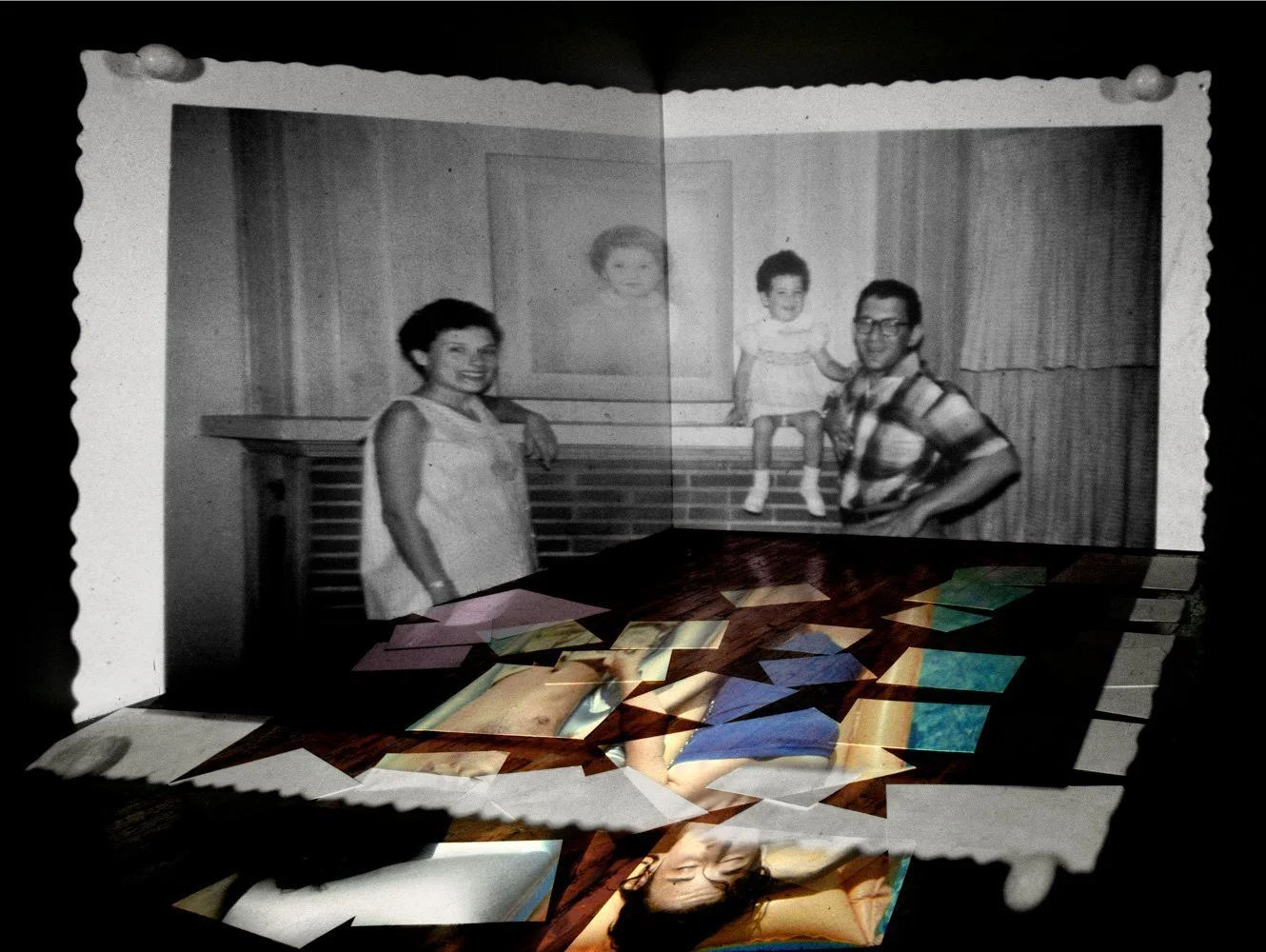
THE GENERATION OF POSTMEMORY
PUBLICATION - Columbia University Press
-
![]()
2019
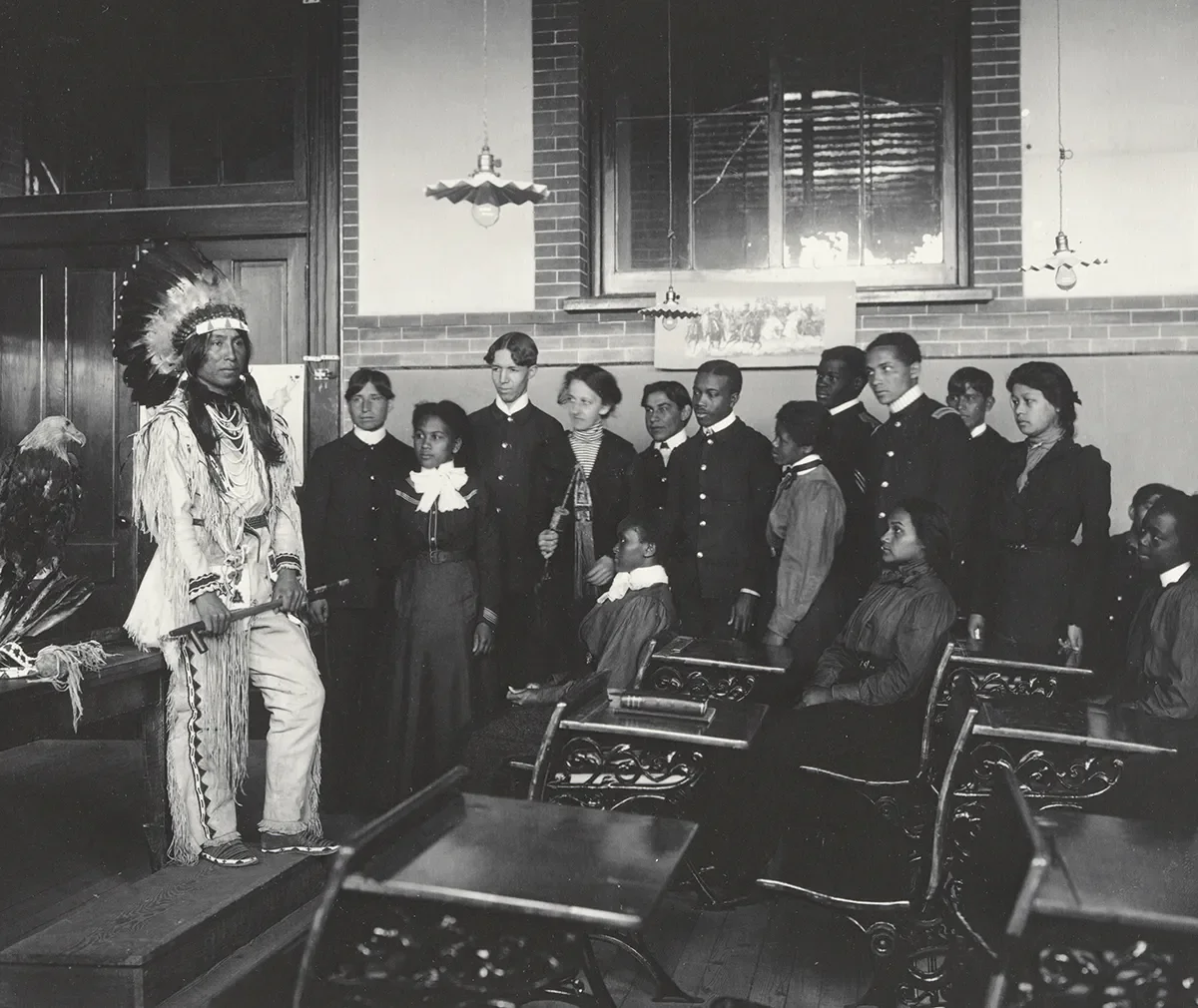
SCHOOL PHOTOS IN LIQUID TIME
PUBLICATION - University of Washington Press